
Faith. Reason. And staying human.
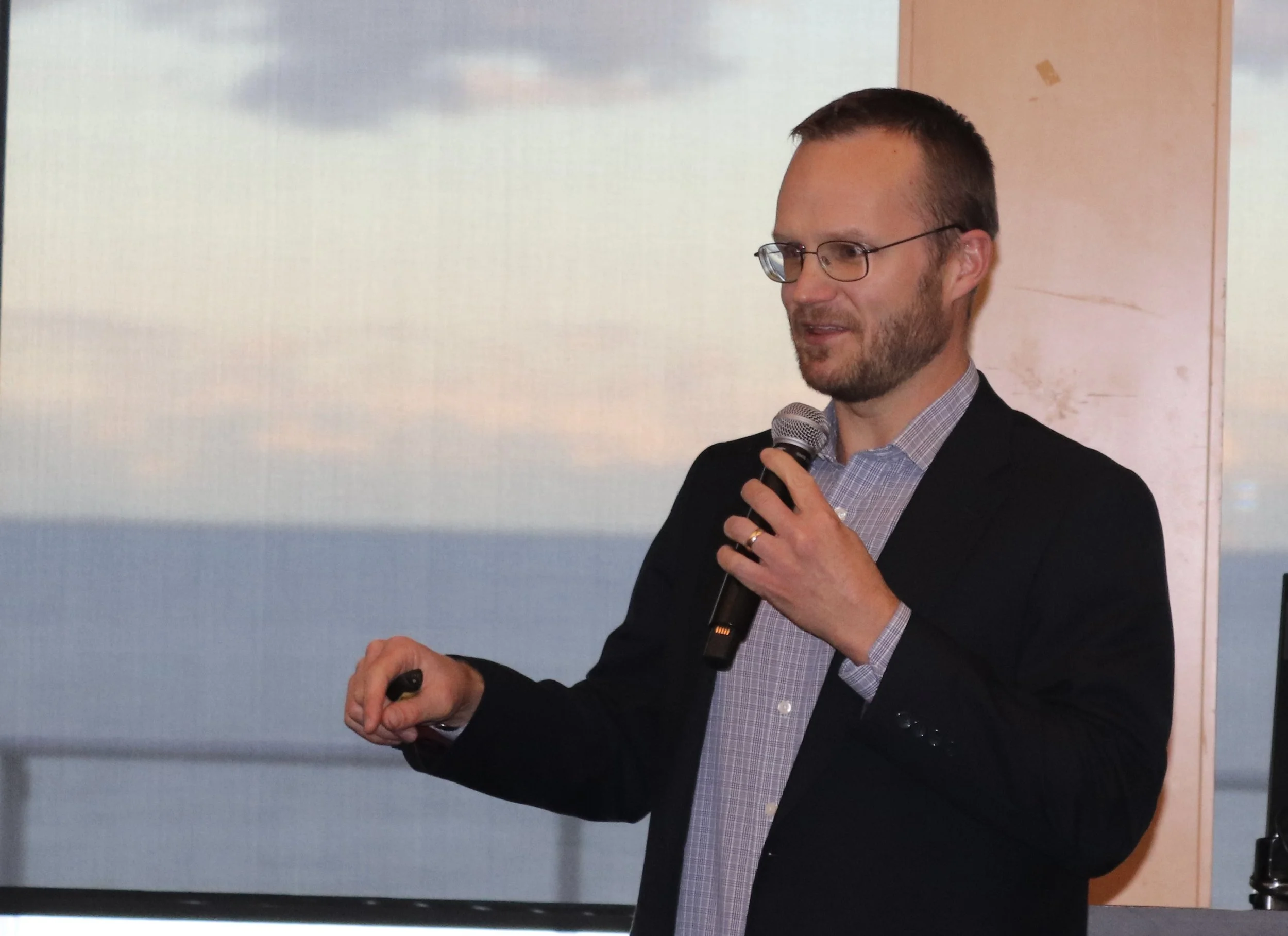
Image credit: Ange Schauerte/Rambler Productions
Joe Vukov helps audiences and readers explore emerging and age-old questions about science, Christianity, and technology. It can be difficult to live as a Christian—and as a human—in the era of artificial intelligence. Joe looks to the Catholic Intellectual Tradition to guide teachers, academics, parents, religious leaders, high school students, and others as they grapple with these issues. Joe is trained as a philosopher, and is a professor and award-winning teacher at Loyola University Chicago.
Speaking
-
Modern technologies--from the the internet to social media, from smartphones to AI--can make it difficult to live the robust human lives we are called to live by God. This talk identifies the ways modern technologies can challenge our ability to stay human, and charts a path for overcoming these challenges.
-
Faith and science are often seen as being in conflict--you can have one or the other but not both, the thinking goes. From the Catholic perspective, however, this simply isn’t true. Faith and science are not in conflict, but are instead two avenues towards the truth, and all truth is God’s truth. This talk discusses the Catholic view of the relationship between faith and science, and provides strategies for navigating apparent tensions between them.
-
ew digital technologies, including artificial intelligence, can be used for good, both within and beyond the classroom. However, they can also erode genuinely human experiences. Catholic educators, who aim at forming students as whole people, must therefore take care when deciding whether to adopt new digital technologies in the classroom. This talk provides a framework for identifying human-affirming and human-undermining technology applications, as well as practical guidance about how to apply this framework.
-
Pope Leo XIV’s first encyclical, Magnifica Humanitas, made headlines in both Catholic and non-Catholic media sources when it was released in May 2026. This talk explores the main themes of the encyclical, and reflects on why it found such a welcome audience among both the Catholic and non-Catholic public.
-
New technologies present novel possibilities for human enhancement. They promise to sharpen our intellects, prolong our lifespan, and integrate our cognitive lives with computers. It can be tempting to think these technologies present an exciting avenue for realizing human potential, and that we should embrace them with open arms. In this talk, I suggest a more cautious route, arguing that while new enhancing technologies can provide genuine goods, we must carefully articulate and understand our values before doing pursuing them.
-
Brain computer interfaces (BCIs) offer new and exciting possibilities. They can, for example, be paired with prosthetics for increased accessibility. Clearly, a good thing. But BCIs can also erode human agency by “taking over” aspects of human action. This talk introduces BCIs, and begins to chart an ethical guidelines for navigating the ethical issues they raise.
Featured talk. Joe’s comments start at the 12 minute mark.
Featured Talks
Live podcast on Catholic Chicago.
Books
Joe’s books help readers explore big questions about science, technology, Christianity, and staying human. They have some academic heft to them, but are written for anyone.

Staying Human in an Era of Artificial Intelligence

The Perils of Perfection: On the Limits and Possibilities of Human Enhancement

Navigating Faith and Science
Contact
Joe regularly speaks to audiences of teachers, religious leaders, academics, high school students, and others. Some of Joe’s talks are listed above, but he is also willing to work with you on developing content that’s right for your group.
To contact Joe, and get more information about bringing him to speak to your event, fill out the form here.